There is a particular pleasure in using an object that has been thoughtfully made. Whether it's a beautifully textured teapot or a simple kitchen utensil that feels comfortable in the hand, good design enhances our everyday lives.
Most of us use metal objects every day without giving them much thought. A spoon, a pair of kitchen scissors or kitchen utensils are often seen simply as practical tools chosen for what they do rather than how they are made.
In Japan, however, even the most ordinary household objects are often approached with a different mindset. Careful attention is given not only to function but also to craftsmanship, materials and design.

This appreciation for everyday objects lies at the heart of Japanese metalwork. For centuries, artisans and manufacturers have created metalware that combines durability, functionality and beauty, producing items that are designed to be used, valued and enjoyed for many years.
From ancient craft traditions to modern workshops, Japanese metalwork continues to demonstrate how even the simplest household objects can possess lasting character and appeal.
*
In this article, I explore the history, materials and techniques behind Japanese metalware and discover how this remarkable craft continues to shape everyday life today.
A long tradition of metal craft in Japan

Metalworking has a long history in Japan, stretching back more than two thousand years. Early techniques arrived from mainland Asia during the Yayoi period (around 300 BCE to 300 CE), bringing new methods for working with bronze and iron. These skills allowed craftspeople to create farming tools, ceremonial objects and everyday items that helped shape daily life.
As Japanese society developed, so too did the skill of its metalworkers. Artisans refined techniques for casting, forging and shaping metal, producing everything from temple fittings and decorative ornaments to practical household tools. Throughout the centuries, Japanese craftsmen became known for their attention to detail and the belief that useful objects could also be beautiful.
During the Edo period (1603 - 1868), a long era of peace and prosperity encouraged many traditional crafts to flourish. Metalworkers increasingly turned their attention to objects for everyday life, creating kettles, tea utensils, lanterns and household tools that combined practicality with careful design. Many of the qualities admired in Japanese craftsmanship today - precision, durability and understated beauty - can be traced back to this period.
Although modern manufacturing has transformed the production of many metal goods, traditional techniques and aesthetics continue to influence Japanese design. From a simple serving spoon to an elegant teapot, contemporary Japanese metalware still reflects a heritage of craftsmanship that has been passed down through generations.
Regional centres of craftsmanship
Over the centuries, different regions of Japan became known for particular metalworking traditions. Many of these craft centres remain active today, preserving specialist skills while embracing modern production methods. Their influence can still be seen in the cookware, cutlery and household items used throughout Japan and around the world.

One of the most famous metalworking regions is Tsubame-Sanjo in Niigata Prefecture. The neighbouring cities of Tsubame and Sanjo have been associated with metalworking for centuries, originally producing Japanese nails, copperware and tools. Today, the region is renowned for high-quality cutlery, kitchenware and tableware, with manufacturers combining traditional craftsmanship and modern precision. Many Japanese metal items found in homes today can trace their origins to this celebrated manufacturing centre.
Another important centre is Takaoka in Toyama Prefecture, which has been producing cast metalware for more than four hundred years. The city is particularly known for copperware, tea ceremony utensils and decorative objects, many of which showcase the artistic possibilities of metal through intricate designs and beautiful surface finishes.

Further north, the city of Morioka in Iwate Prefecture is famous for its cast ironware. The region's Nambu Tekki kettles and teapots have become some of Japan's most recognisable metal craft products, admired for both their durability and elegant appearance.
These regional traditions demonstrate how Japanese metalworking has evolved over time while remaining rooted in craftsmanship.
*
Whether produced in a centuries-old workshop or a modern factory, many Japanese metalware items continue to reflect the expertise and dedication of the regions from which they originate.
Materials and their uses
The character of Japanese metalware is also shaped by the materials used. Different metals are chosen for their unique properties, influencing both the appearance and function of the finished piece.

Japanese metalworkers have long worked with a variety of metals, each chosen for its particular qualities. Some are valued for their strength and durability, while others are prized for their colour, texture or ability to be shaped into intricate forms. Over the centuries, these materials have been used to create both practical household items and decorative works of art.
Iron and steel
Iron and steel are among the most widely used metals in Japanese craftsmanship. Strong and durable, they have traditionally been used for tools, cookware and architectural fittings, as well as the blades and armour for which Japan became famous.
Today, iron and steel continue to play an important role in everyday life. Kitchen tools, cutlery and cookware are often made from these materials, valued for their durability and longevity. Cast iron, in particular, is closely associated with kettles and teapots, but is also used for cooking pots, skillets and other cookware designed to retain and distribute heat evenly.
These robust pieces are admired not only for their practicality but also for their distinctive appearance, often becoming cherished household items that are used for many years.
Copper and brass
Copper has been used in Japan for centuries, both for functional objects and decorative purposes. Its warm colour and ability to develop a rich patina over time make it especially attractive to craftsmen.
Copper and brass have been used for temple ornaments, lanterns, vases and decorative fittings, as well as household items and tea ceremony utensils. Their versatility allows them to be shaped into detailed forms while retaining a sense of elegance and refinement.

Tin and other metals
Tin is particularly valued for its smooth surface and subtle lustre. Japanese artisans have long used it to create sake cups, trays and decorative vessels, appreciating both its beauty and its pleasant feel in the hand.
Other metals and alloys have also been employed throughout Japan's history, each contributing unique qualities to the finished object.
Beauty and function together
One of the distinctive features of Japanese metalwork is the way practical and decorative purposes often overlap. A cast iron teapot may serve as a daily household item while also acting as a decorative focal point. Temple bells and lanterns were created for practical use yet display remarkable artistry and attention to fine detail.
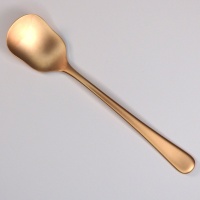
This balance between beauty and function remains a defining characteristic of Japanese metalware today. Whether a finely crafted serving spoon, a hammered bowl or an elegant teapot, these objects are designed to be used and appreciated in equal measure.
Techniques, textures and finishes
Japanese metalwork is often distinguished by its rich textures and carefully considered finishes. Rather than concealing the marks of the manufacturing process, many traditional techniques celebrate them, allowing the craftsmanship to remain visible in the finished piece.
Over centuries, metalworkers developed methods that not only improved the performance of an object but also enhanced its beauty, giving Japanese metalware much of its distinctive character.
Tsuchime hammered finish
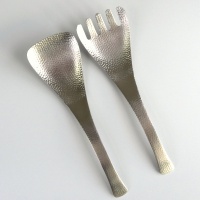
One of the most recognisable finishes in Japanese metalwork is tsuchime (槌目), which means 'hammer marks'. The surface is covered with a pattern of small indentations that catch and reflect the light, creating a subtle sense of movement and texture.

Traditionally, these marks were created by hand as a craftsperson hammered the metal into shape . Today, similar patterns may also be produced using modern manufacturing techniques, but the visual effect remains closely associated with traditional craftsmanship.
The appeal of tsuchime lies in its balance of beauty and practicality. The textured surface adds visual interest while helping to disguise the small signs of wear that naturally develop through everyday use.
Casting
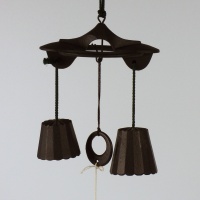
Casting involves pouring molten metal into a mould to create a desired shape. This technique has been used in Japan for centuries to produce everything from temple bells and lanterns to kettles, teapots and decorative ornaments such as wind chimes.
Cast metal objects often possess a sense of solidity and permanence. Intricate details can be incorporated directly into the design, making casting particularly suitable for decorative pieces as well as functional household items.
Forging and shaping
Forging is the process of shaping metal through hammering and pressure. While it is often associated with traditional bladesmithing, the technique has also been used to create artisan tools, cookware, chopsticks and other household objects.
The process allows metalworkers to carefully refine the shape and balance of a piece, producing objects that are both durable and pleasing to use.
Patina and surface finishes

Many Japanese metal objects are valued for the way their appearance changes over time. Craftspeople may apply special finishing techniques to create colour, depth and texture, while some metals naturally develop a patina through age and use.
Rather than being viewed as imperfections, these subtle changes are appreciated as part of an object's character. They reflect the Japanese appreciation for materials that mature gracefully and become more beautiful through everyday use.
The beauty of texture
Whether through hammer marks, casting, polishing or patination, texture plays an important role in Japanese metalwork. Smooth and reflective surfaces sit alongside softly dimpled finishes and richly aged metals, creating objects that invite both use and appreciation.
These techniques continue to influence contemporary Japanese design, ensuring that even modern metalware retains a connection to centuries of craftsmanship and tradition.
Japanese metalwork today
Although many traditional techniques remain influential, Japanese metalworking continues to evolve. Across the country, skilled craftspeople and manufacturers combine generations of experience with modern production methods, creating metalware that is both practical and beautifully made.
In regions such as Tsubame-Sanjo, workshops and small factories continue to produce kitchenware, cutlery and household goods that are recognised for their quality throughout Japan and beyond. Some businesses have been operating for generations, passing skills and knowledge from one family member to the next while adapting to changing technologies and lifestyles.
Modern manufacturing allows many products to be produced more efficiently, but high standards of craftsmanship remain an important part of the process. Whether an item is hand-finished by an artisan or manufactured using precision machinery, attention to detail is often evident in the finished product.
Metalwork in everyday Japanese life
One of the most striking aspects of Japanese metalwork is how deeply it is woven into everyday life. While some metal objects were created for temples, ceremonies or decorative purposes, many were designed for ordinary daily use.

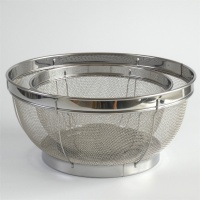
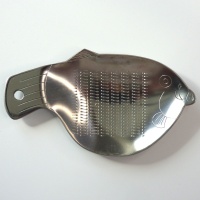
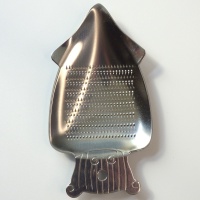
Walk through a Japanese kitchen and you are likely to find a surprising variety of carefully crafted metal items. Kitchen scissors, ladles, serving spoons, graters, strainers and cookware are often designed with the same attention to detail that artisans once devoted to more formal craft objects.
Many of these items reflect a distinctly Japanese approach to design. Practicality is important, but so too are comfort, durability and visual appeal. Objects are often refined through years of use and improvement, resulting in tools that feel intuitive and satisfying to handle.
Some items blur the line between functional and decorative. Cast iron teapots, for example, are valued both as practical vessels for preparing tea and as beautiful objects in their own right - an object to be put on display. A hammered serving spoon or finely crafted kettle may spend much of its life in use, yet still possesses the qualities of a carefully considered piece of design. Rain chains, bells and windchimes all add beauty to modern homes and reflect traditional Japanese craftsmanship.
This appreciation for well-made everyday objects remains an important part of Japanese culture. Rather than reserving craftsmanship for special occasions, Japanese makers have long sought to bring beauty into daily routines through the objects people use most often.

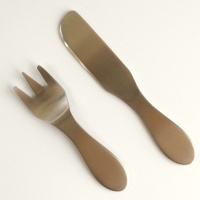
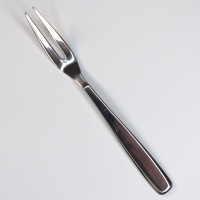
Today, Japanese metalware encompasses a remarkable range of objects. From elegant teapots and kettles to serving utensils, cutlery, cookware and kitchen tools, these items continue to demonstrate the balance of beauty and functionality that has characterised Japanese metalworking for centuries. This enduring combination of tradition, craftsmanship and thoughtful design helps explain why Japanese metalware remains so highly regarded.
For centuries, Japanese metalworkers have transformed raw materials into objects of lasting beauty and usefulness. While techniques and technologies have evolved, the values that underpin Japanese metalwork, those of craftsmanship, durability and thoughtful design, remain unchanged.
Whether produced in a traditional workshop or a modern family-run factory, Japanese metalware continues to bring together practicality and artistry. From a simple kitchen utensil to decorative wind chimes, these objects reflect a tradition that has shaped everyday life in Japan for generations and continues to do so today.
Authentic Japanese metal homeware at Hatsukoi
*
*
*