I'm passionate about bringing the beauty and richness of Japan to your home. This blog is your gateway to discovering the timeless elegance of Japanese culture, from design and interiors to the vibrant world of Japanese cuisine.
From traditional practices to modern trends, we can delve deep into what makes Japanese culture so unique. I hope my personal insights, tips and stories inspire you to bring a piece of Japan into your everyday life.
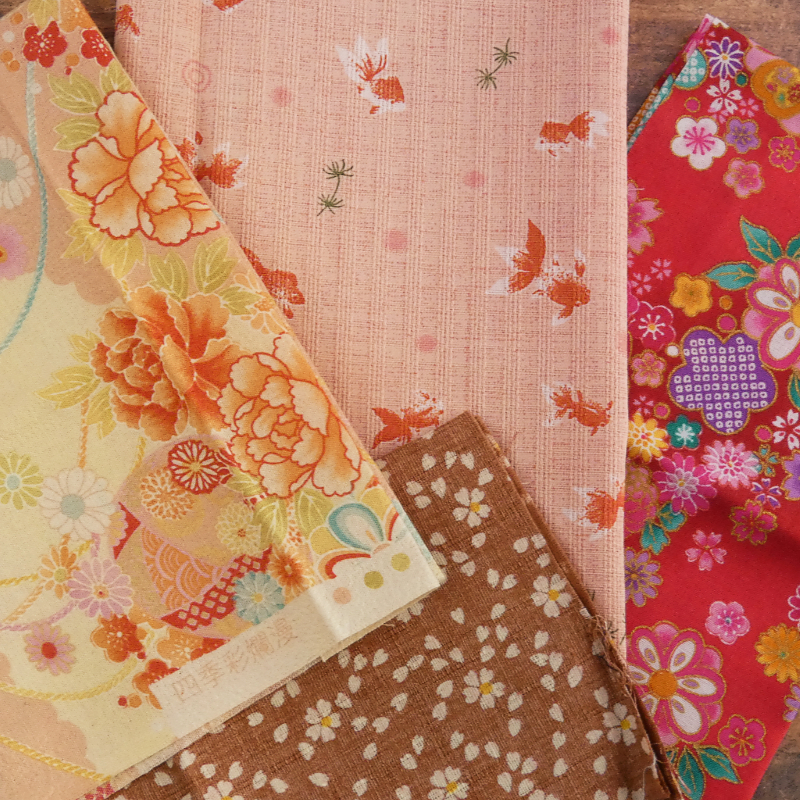
There's something so appealing about Japanese textiles. A simple piece of cotton can be beautifully patterned, pleasingly tactile and surprisingly versatile. When I'm in Japan, I always go shopping for fabric as I can't resist the gorgeous designs and colours.
Often, however, there's much more to it than initially meets the eye.

Imagine turning on the radio first thing in the morning and joining millions of people across Japan for a few minutes of gentle exercise... This is the modern tradition of Rajio Taisō, a short, easy to learn, exercise routine broadcast on Japanese radio every morning to get the nation started.
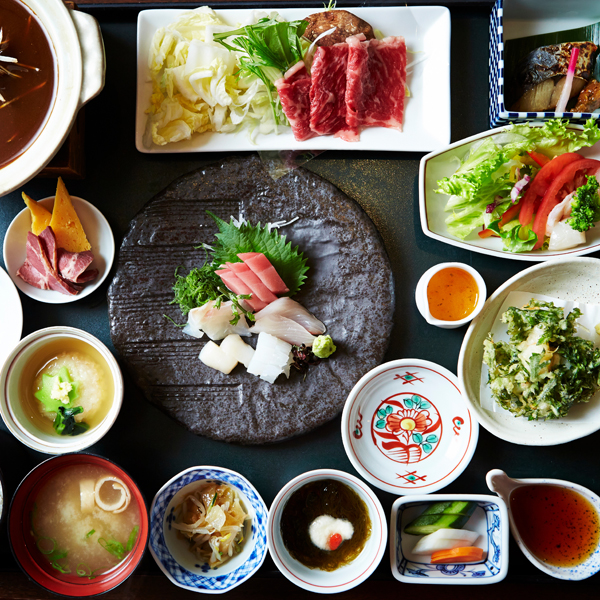
Japanese cuisine includes many delicious side dishes, condiments and dips that are served as part of the main meal.
They’re often not easy to find in UK supermarkets, especially if you don’t live in a big city, but some are quite easy to make yourself with just a few ingredients. They really add that extra authenticity to your meal and bring out the delicious umami flavour of your Japanese cooking!
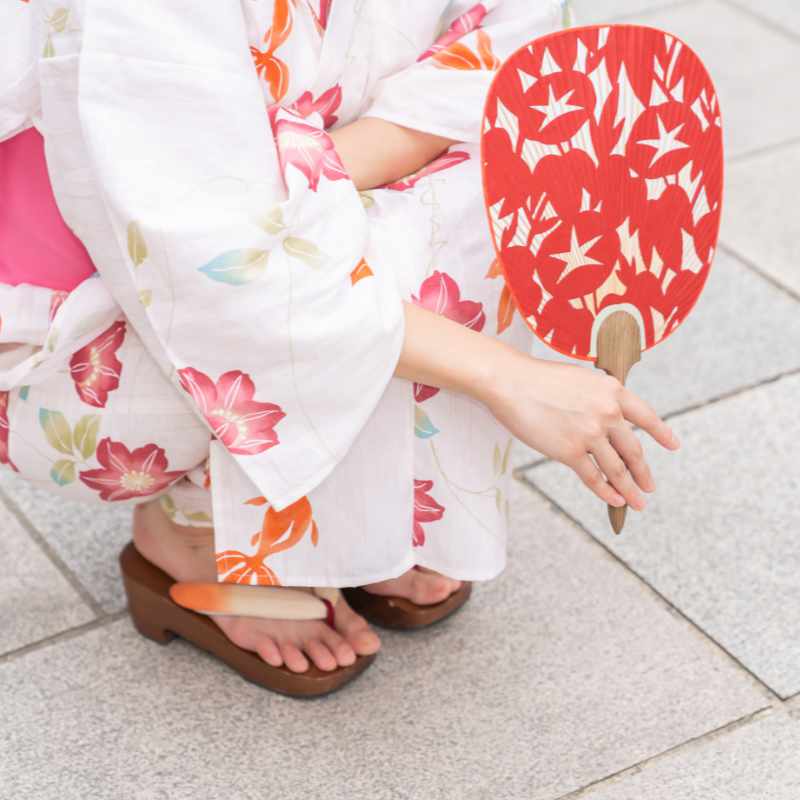
Summer has certainly arrived in Britain. As temperatures climb, many of us find ourselves searching for shade, reaching for a cold drink or wondering how to keep our homes comfortable through the hottest part of the day.
While a few days of hot weather can feel unusual here in the UK, Japan experiences long, humid summers every year. So how do Japanese people cope with the hot weather?

There is a particular pleasure in using an object that has been thoughtfully made. Whether it's a beautifully textured teapot or a simple kitchen utensil that feels comfortable in the hand, good design enhances our everyday lives.
Most of us use metal objects every day without giving them much thought. A spoon, a pair of kitchen scissors or kitchen utensils are often seen simply as practical tools chosen for what they do rather than how they are made.

There is something wonderfully comforting about the world of Showa Retro (昭和レトロ).
Warm colours, cheerful florals, café tableware, vintage home appliances and charming character goods all combine to create a style that feels nostalgic, personal and full of everyday joy.
But what exactly is Showa Retro?
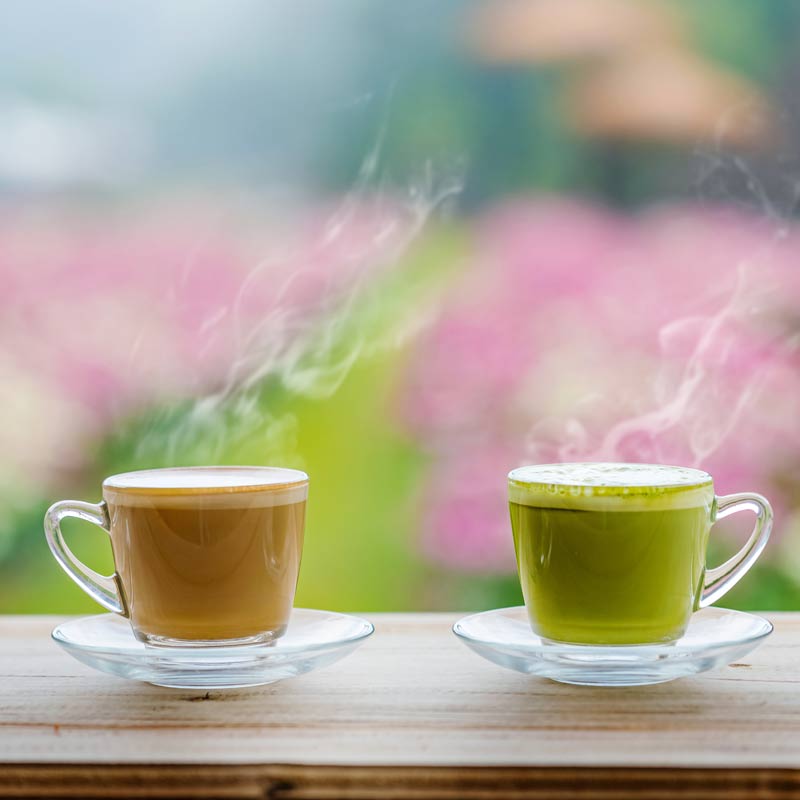
What is your ‘tea personality’? And why would you even need to know such a thing? Perhaps the tea you reach for says more about you than you realise…
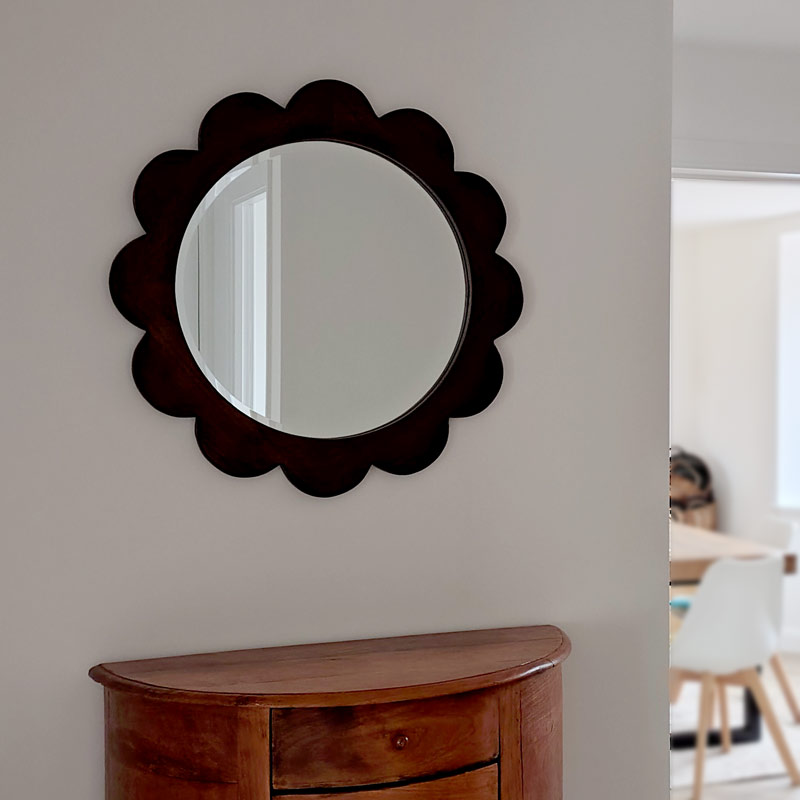
In a world of calm neutral interiors and carefully curated minimalism, is there still room for a little joy, something that makes us smile? However much we admire these minimalist spaces and associate them with sophistication, most of us still crave colour, character and warmth.
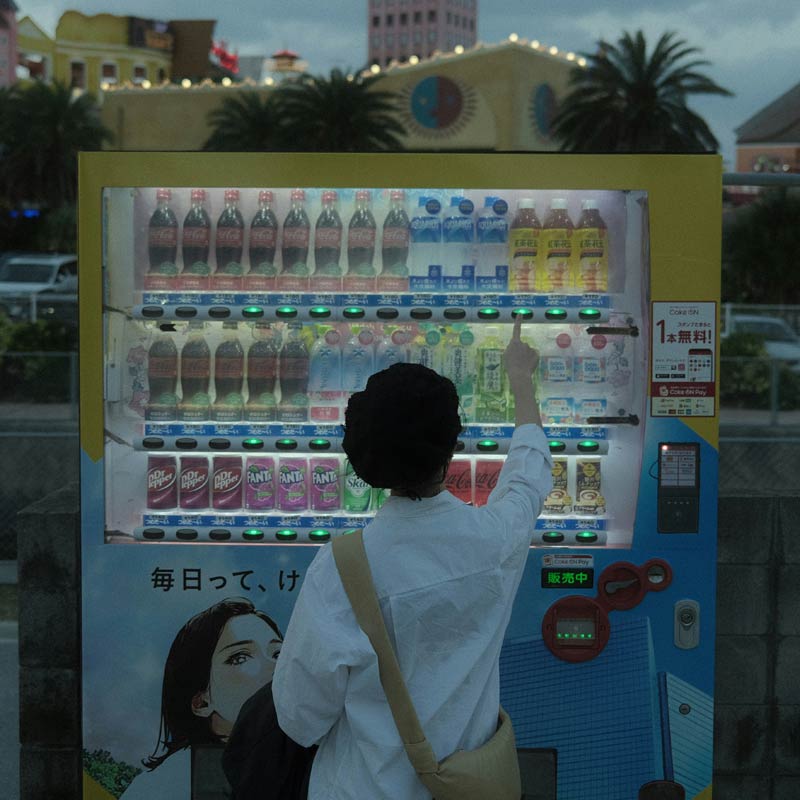
In Japan, even the smallest everyday object is often the result of careful thought. Over time, Japanese manufacturing has become known for its ability to refine and reimagine daily life, making things smaller, quicker and easier to use.

By the time February arrives, many of us are already a little weary of being told how we should be eating. After weeks of headlines, resolutions and strict diet plans, it’s easy to feel that healthy living has become more about pressure and conformity than nourishment.
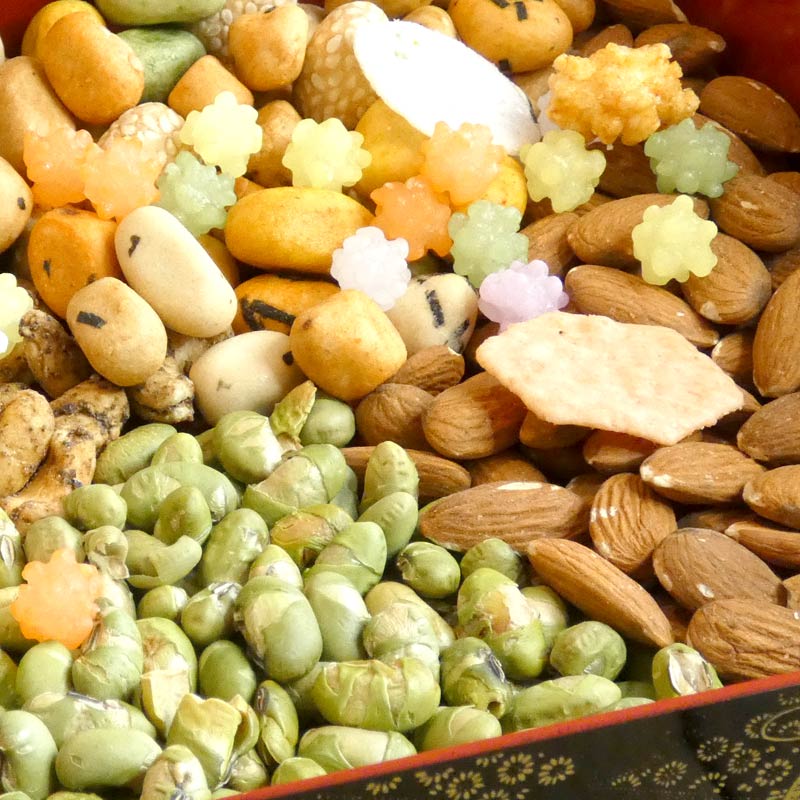
Fukiyose (ふきよせ / 吹き寄せ) is a lovely Japanese concept that applies to a collection of many small edible treats, displayed together in one decorative box or tin. Traditionally, it’s connected with wagashi, Japanese confectionery, and when I first came across the word the idea immediately caught my attention.

There are many symbols of good luck in Japan. From doorstep talismans, like the mischievous Tanuki, to tiny charms tucked into wallets, symbols of good fortune are everywhere and some of these most charming characters have stories that go back centuries.

As summer fades and the hum of cicadas gives way to the rustle of falling leaves, Japan slips gently into autumn, a season of vivid colours and nostalgic feelings.
As the air turns crisp and temple gardens glow with shades of amber and crimson, it becomes a time where we look forward to comforting warm drinks and seasonal foods filled with rich ‘umami’.
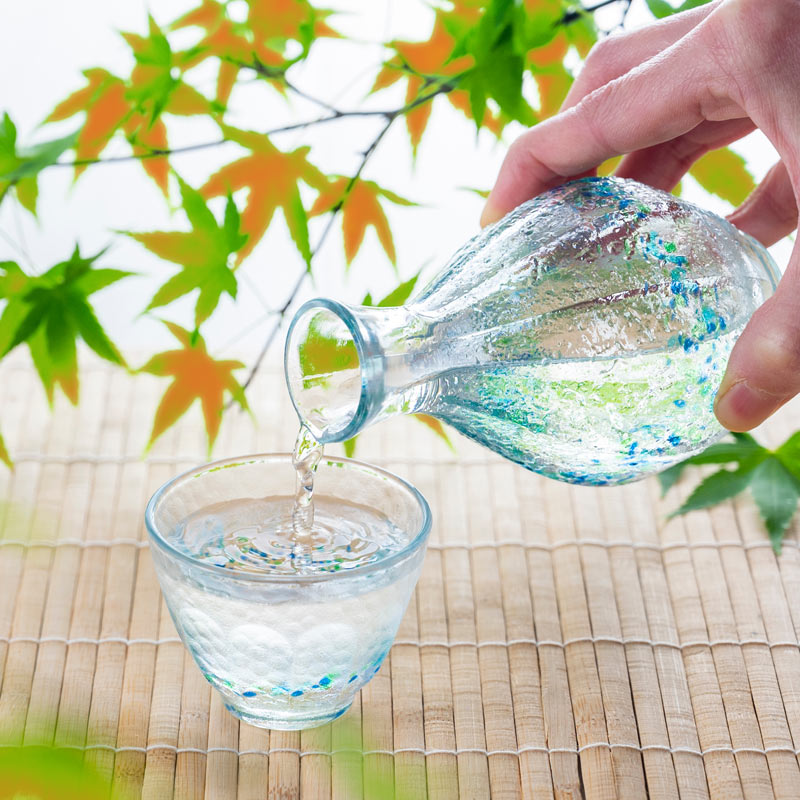
As the evenings grow darker and the first autumn leaves begin to fall, many of us look for small rituals that bring comfort and warmth at home.

There are times when life can feel busy and stressful and it’s not always easy to find a sense of balance or contentment. Japanese daily life, however, can draw on a number of simple philosophies that can offer a different perspective, encouraging us to slow down, enjoy small moments and make the most of what we already have.
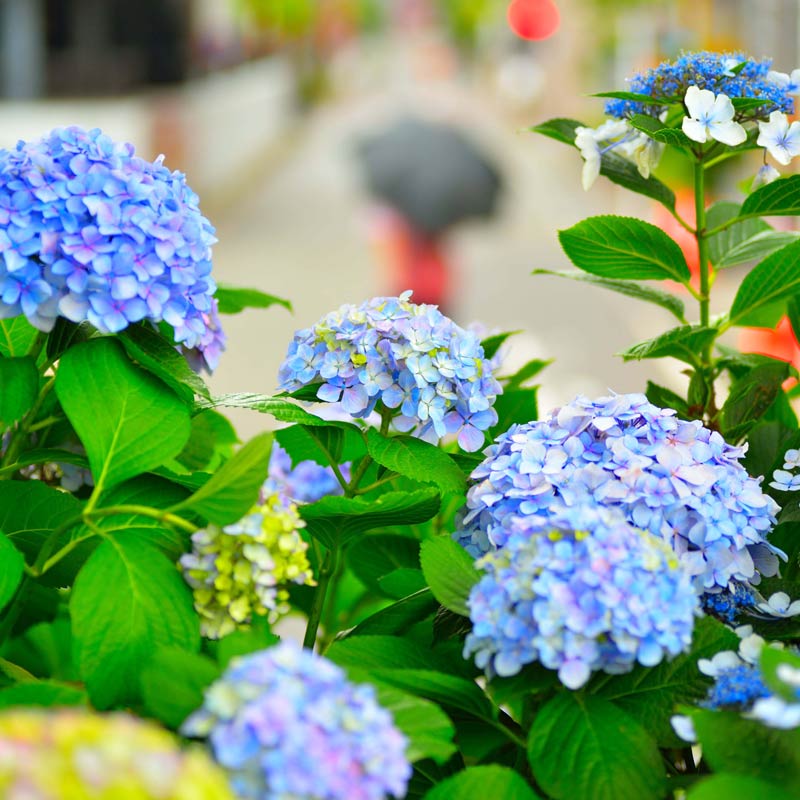
Hydrangeas hold a subtle but rich place in Japanese culture. While not as iconic as cherry blossoms or chrysanthemums, they are deeply associated with the mood of early summer, when the rainy season arrives and the landscape turns lush, damp and reflective.
But hydrangeas are also common in the UK and are in full bloom at this time of year, late summer to early autumn. As August turns slowly into September, I can see similarities in the symbolism of hydrangeas in rainy-season Japan to how we might feel here as the season changes.

In Japan, a small gift is never 'just' a small gift. Whether it’s omiyage (a souvenir from a trip) or a seasonal treat beautifully wrapped for a friend, these tokens carry a gentle but powerful message: I thought of you.

Step into the basement of almost any major Japanese department store and, rather than finding a discount floor or car park, you’ll be stepping into a gourmet wonderland.
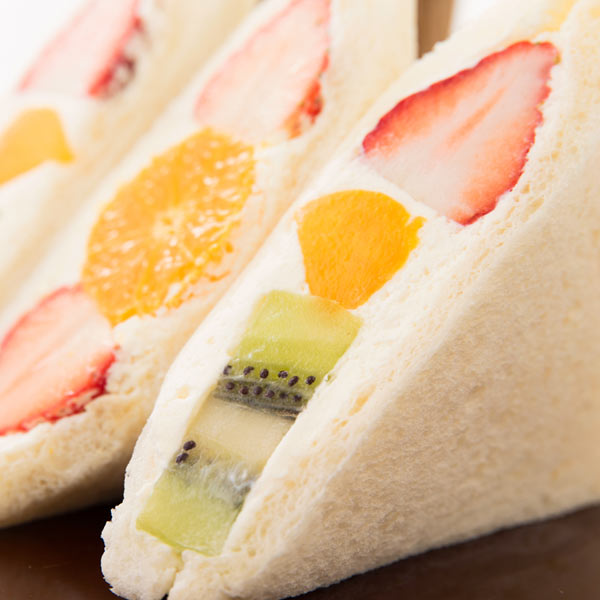
At Wimbledon this year, tennis fans can tuck into a strawberries and cream sandwich, a cute twist on a very British tradition. But for anyone familiar with Japanese food culture, this might spark a moment of recognition.
Japan has long had a love affair with the furutsu sando (fruit sandwich), a delicately arranged, cream-filled treat that turns soft white bread and fresh fruit into an art form.
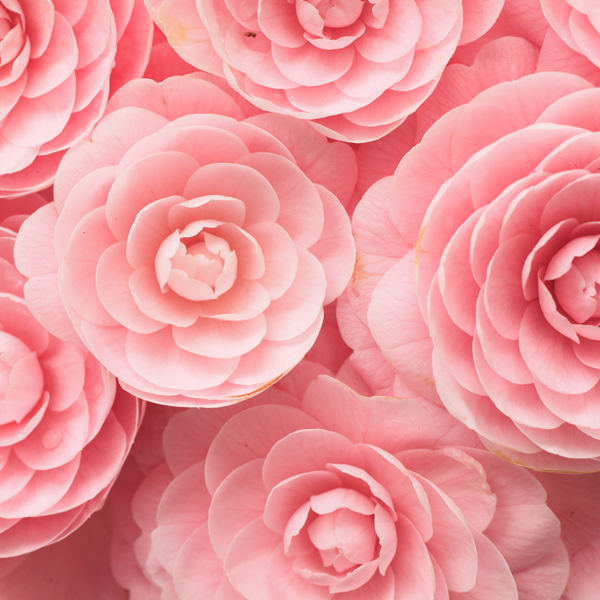
Elegant and resilient, the camellia plant (tsubaki 樚) has long held a treasured place in Japanese life. Blooming on the cusp of winter and spring, the flowering camellia offers both visual beauty and deeper symbolism that has resonated across centuries of Japanese art, poetry, ritual and daily life.
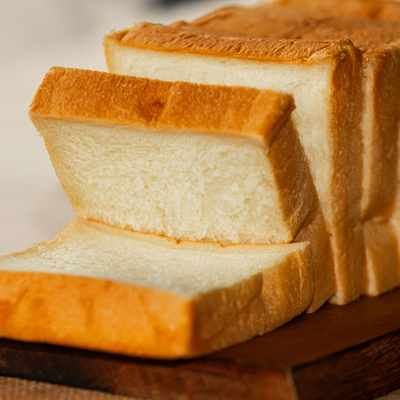
Bakeries are common in Japan and their shop windows are filled with gorgeous looking cakes, buns and bread.
And if you’ve ever travelled to Japan and wandered into one of these establishments, you’ll know that bread in particular feels just a little… fancier than what you may be familiar with.

Loaded with symbolism and a spirit of togetherness, Kagami Biraki is a Japanese ritual that marks a fresh start - whether it’s a new year, a marriage or a new business venture.

Japan has cherry blossom records dating back over 1,200 years. Ancient records from Kyoto’s Imperial Court show detailed notes on when the sakura bloomed each year which shows how important this event has been throughout history to Japanese people.

Early spring is a really beautiful time to visit Japan so that you can see cherry blossom and experience the joy of 'hanami'. But did you know that in Japan each year there is a ‘sakura forecast’ to predict the pattern of cherry trees blossoming across the country?

Have you ever tried Japanese takoyaki? It’s one of my favourite things to eat! You can sometimes find them here in Japanese restaurants or even make them at home but the best ones are the ones you eat in Japan.

Japanese design has a quite distinctive look that at first can be hard to put your finger on.
However, after a while you begin to realise that part of the aesthetic, whether it is in furnishings, fashion, modern culture or fine art, is down to the colour palette and the way these colours work together. It’s one of the things that makes Japanese design stand apart from other design styles.