There is something wonderfully comforting about the world of Showa Retro (昭和レトロ).
Warm colours, cheerful florals, café tableware, vintage home appliances and charming character goods all combine to create a style that feels nostalgic, personal and full of everyday joy.
But what exactly is Showa Retro?
In recent years, this distinctly Japanese Retro look has seen a revival both in Japan and overseas, appearing in interiors, cafés, kissaten coffee houses and carefully curated homeware collections.
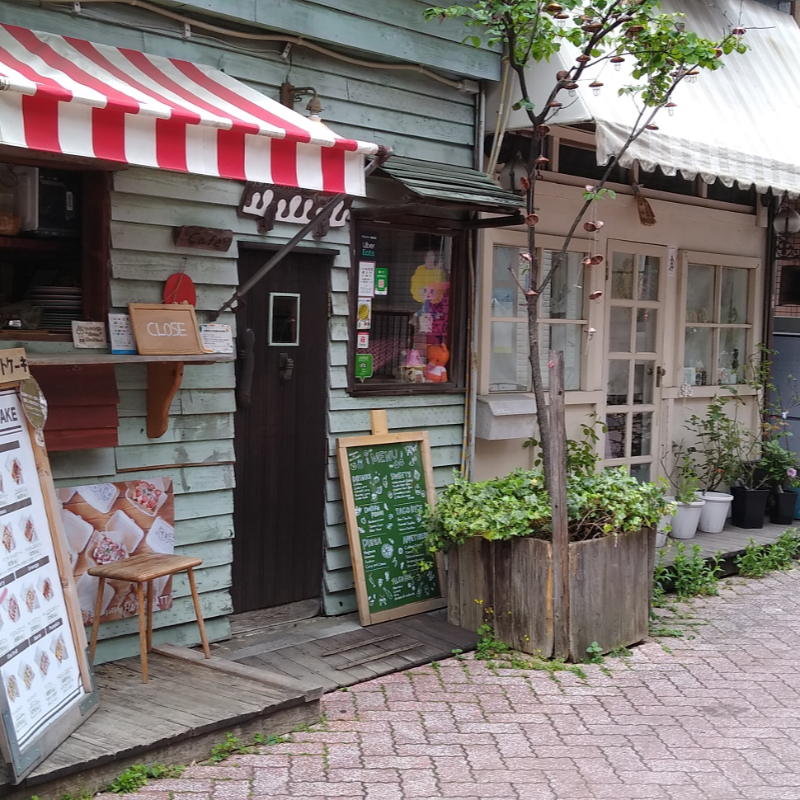
The term generally refers to nostalgic styles inspired by the Showa era in Japan (1926–1989), especially the post-war decades of the 1960s, 70s and 80s. It draws on a mixture of modern optimism, practical everyday living and playful design. Rather than perfectly coordinated interiors, Showa Retro spaces often feel lived in and collected over time.
Unlike modern minimalist trends, Showa Retro embraces warmth, individuality and small comforting details.
*
The good news is that you do not need to completely redesign your home to enjoy the look. Even small touches can bring a little nostalgic Japanese charm into everyday spaces.
The feeling of Showa Retro
At its heart, Showa Retro is less about strict historical accuracy and more about atmosphere.
Think of:
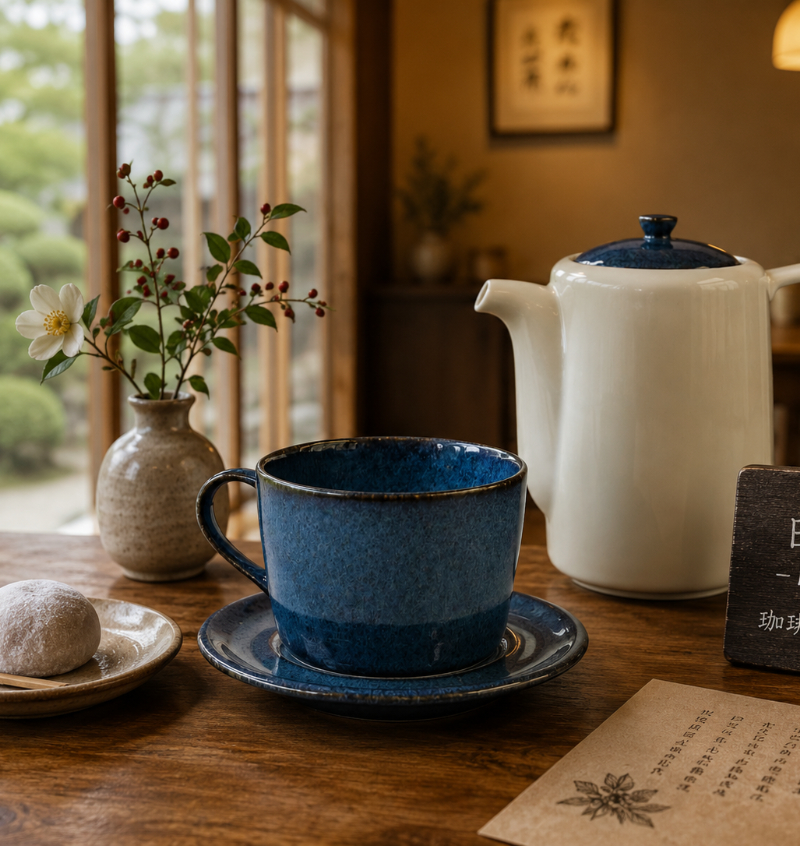
- Cosy kissaten cafés with softly glowing lamps
- Vintage kitchenware in warm colours
- Floral tablecloths and patterned cups
- Honey-coloured wood furniture
- Cute character illustrations and nostalgic packaging
- Shelves filled with practical but cheerful household objects
- A mixture of old and new pieces collected over time
Showa Retro interiors rarely feel perfectly styled or overly polished. Instead, they feel welcoming, useful and deeply personal.
One of the charms of the aesthetic is that matching sets are not essential. In fact, many vintage-inspired Japanese spaces combine items from different decades, makers and styles. The key is creating unity through colour, mood or repeated motifs rather than buying everything from one collection.
Graphic Showa Retro style
One side of Showa Retro takes inspiration from the bold graphic styles popular during the 1960s and 70s.
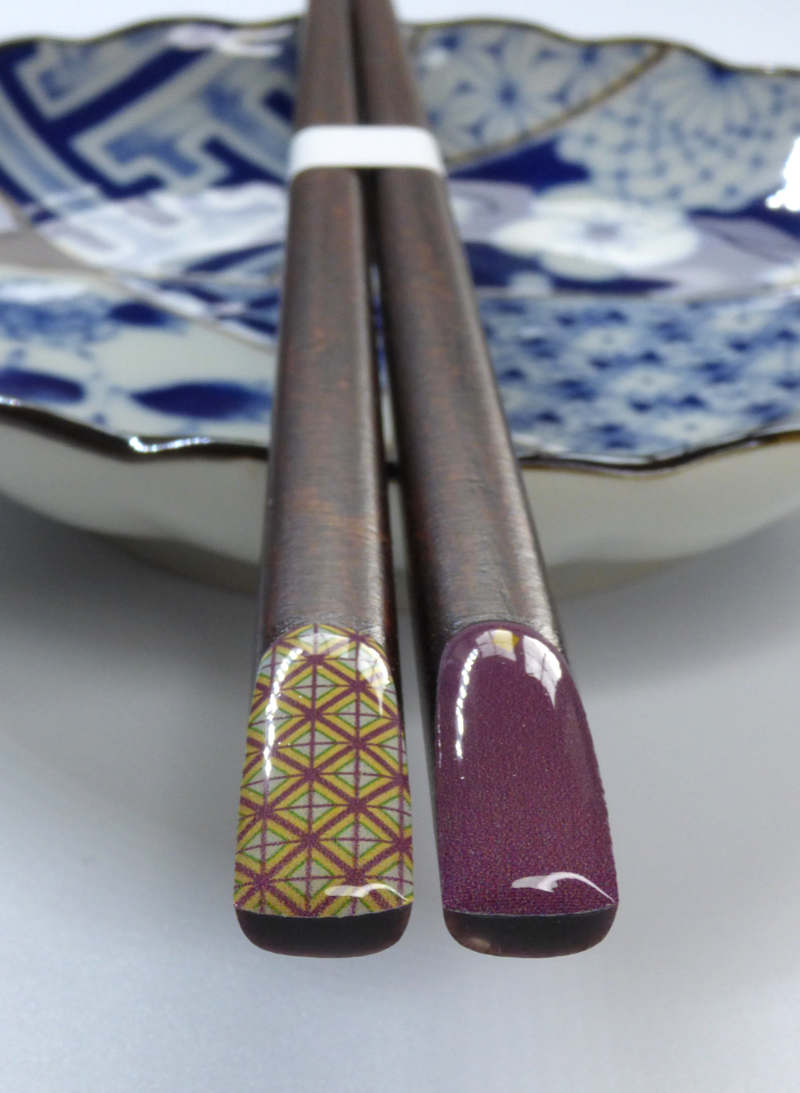
This look often includes:
- Muted yellows
- Tomato reds
- Burnt orange
- Moss green
- Chocolate brown
- Cream and warm ivory tones
Patterns are playful and eye-catching without feeling overly modern. Popular motifs include:
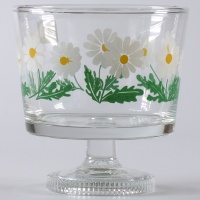
- Simplified flowers and leaves
- Retro geometric shapes
- Bold stripes and checks
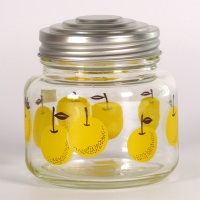
- Fruit illustrations
- Hand-drawn typography
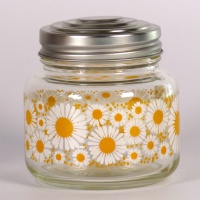
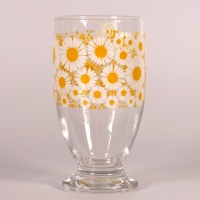
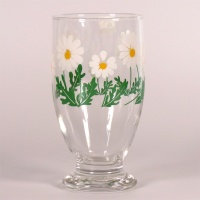
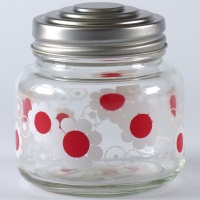
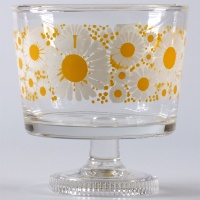
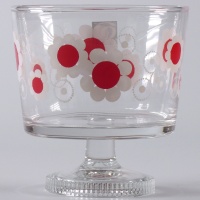
Enamel kitchenware, colourful mugs, patterned glasses and Retro-style storage tins all work beautifully within this look.
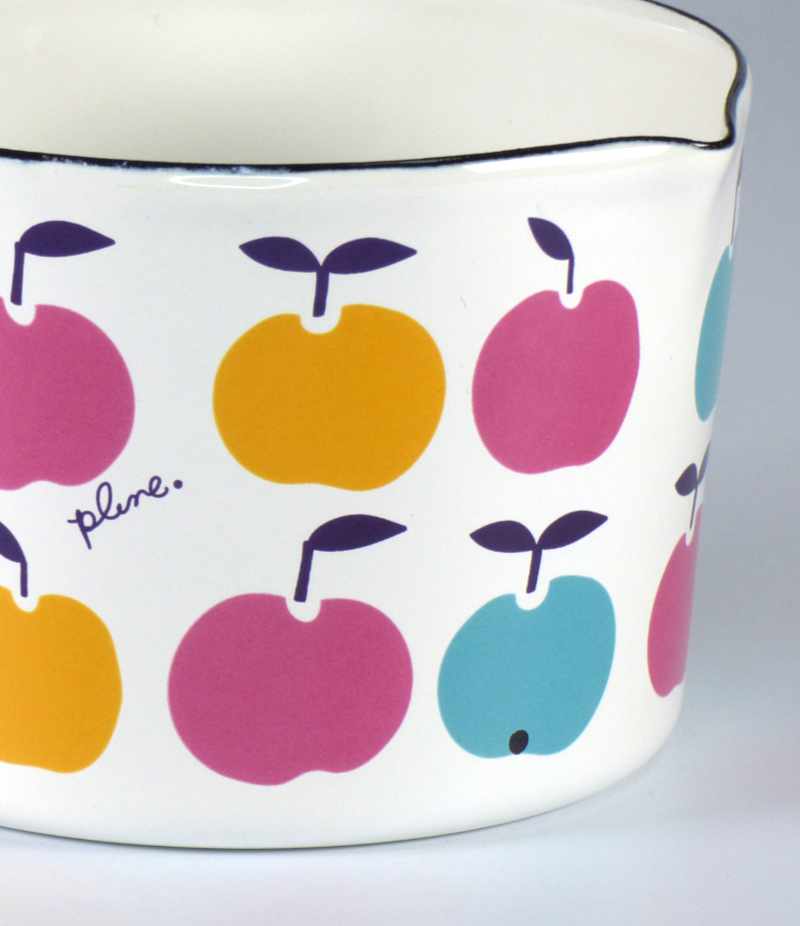
If you want to introduce graphic Showa Retro into your home, start small with practical everyday objects:
- Measuring jugs
- Coasters
- Tea towels
- Tableware
- Storage containers
- Small trays and plates
Even a few colourful pieces can completely change the atmosphere of a kitchen or dining space.
Vintage floral and chintz-inspired style
Another softer side of Showa Retro draws on floral fabrics and nostalgic home décor styles popular in the 1970s and 80s.
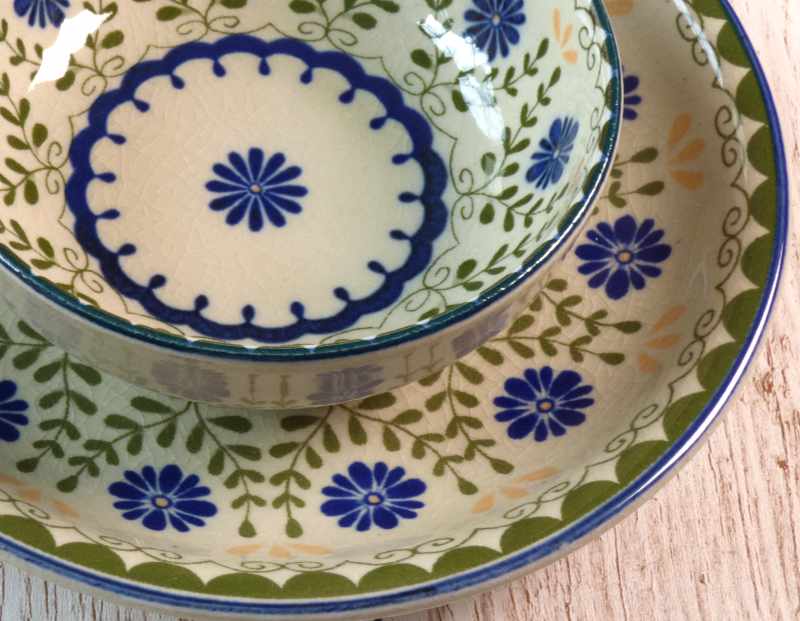
This variation feels gentler and slightly romantic, often combining:
- Soft pastel pinks
- Powder blue
- Sage green
- Cream
- Warm peach tones
*
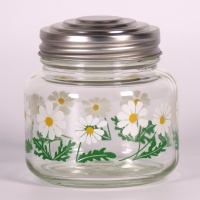
Floral prints are delicate rather than dramatic, with dainty leaves, tiny blossoms and repeating vintage-inspired patterns.
This style works especially well in:
- Bedrooms
- Reading corners
- Kitchens
- Tea spaces
- Craft rooms
Simple additions such as floral placemats, fabric pencil cases, hand towels or patterned tablecloths can add a subtle nostalgic touch without overwhelming a modern interior.
Layering different fabrics and textures also helps create the comfortable, lived-in feeling associated with Showa-inspired homes.
Cute character style and nostalgic kawaii
Showa Retro is also closely linked to the early development of Japanese kawaii culture.
Many famous and much-loved characters from the 1970s and 80s continue to influence Japanese design today.
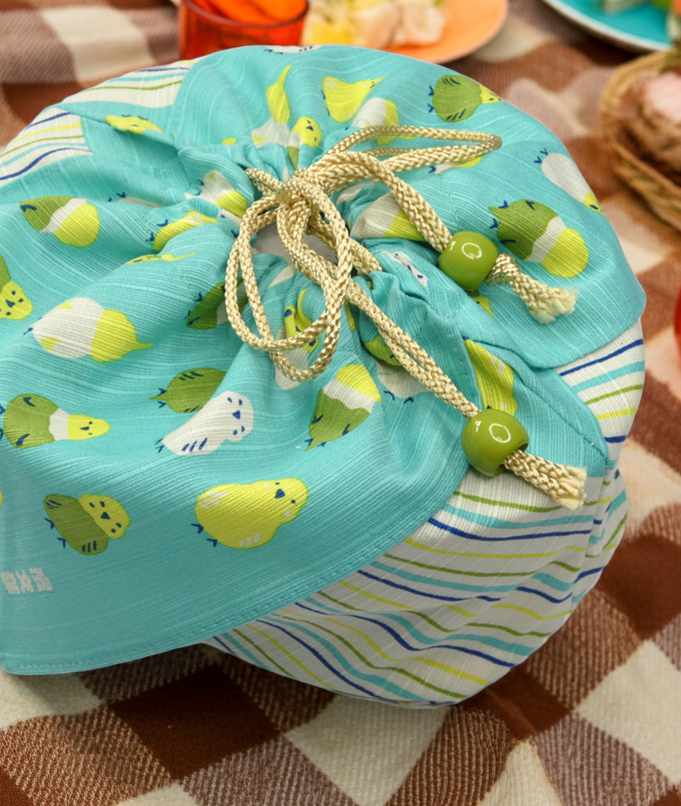
Popular nostalgic motifs include:
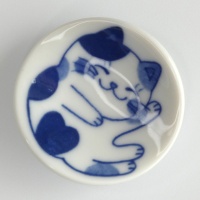
- Cats, rabbits and birds
- Gentle picture-book style illustrations
- Big-eyed characters
- Rounded, hand-drawn lettering
- Soft vintage colour palettes
Classic characters associated with retro Japanese nostalgia include:
- Hello Kitty, the Sanrio character that's perhaps the most famous of them all
- The Kewpie baby, the mascot of the Japanese mayonnaise brand
- Monchhichi, the Japanese doll character familiar in the West
- Miffy, the Dutch character created by Dick Bruna readily adopted into Japanese popular culture
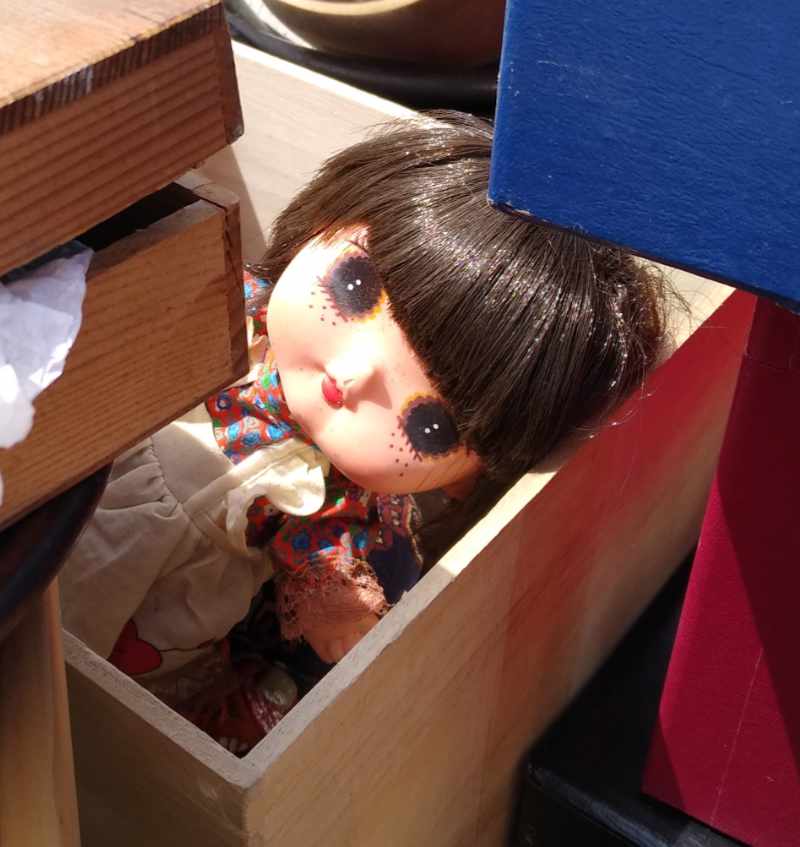
Adding a few character items can soften an interior and make it feel more personal and playful. Small ornaments, stationery, mugs or kitchen accessories are often enough to create a nostalgic touch without making a space feel childish.
One of the reasons Showa Retro remains so appealing is that it celebrates everyday happiness and familiar comforts.
*
The importance of small details
One of the easiest ways to create a Showa Retro atmosphere is through small decorative details.
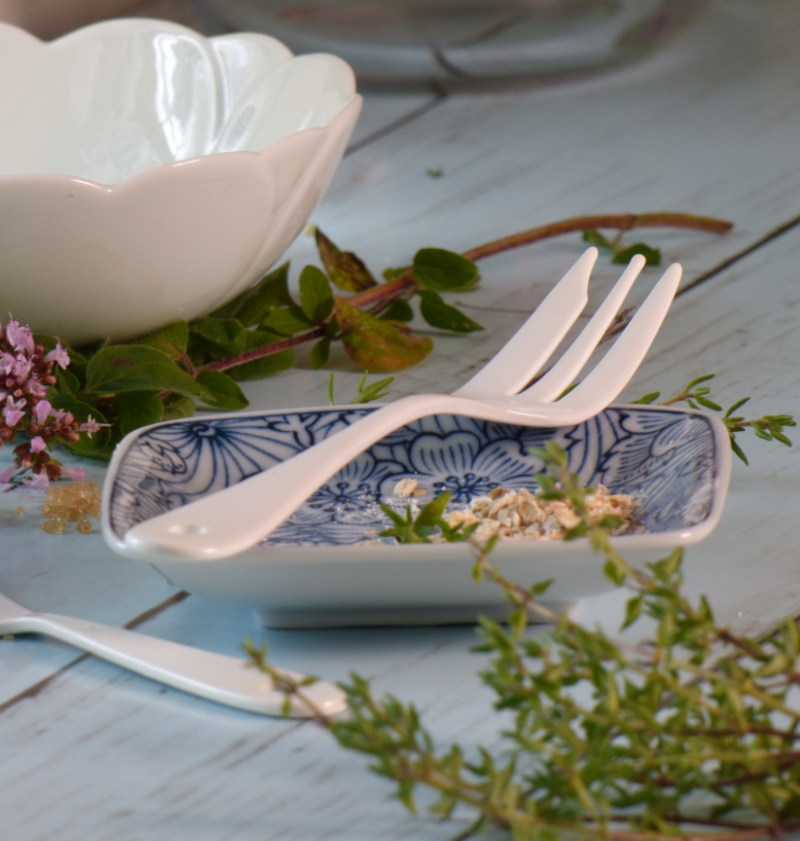
Japanese retro interiors often feel charming because of the thoughtful everyday objects used within them.
Try introducing:
- Saucers and small plates
- Chopstick rests
- Retro glassware
- Tablecloths and placemats
- Coasters
- Cake forks, teaspoons and butter knives
- Small trays and pretty storage baskets
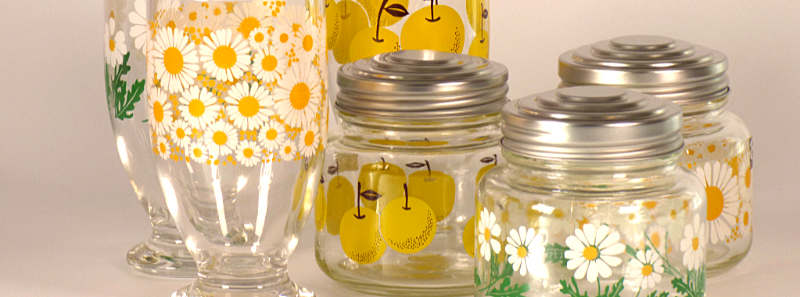
These details create layers of texture and personality while remaining practical. This is also a wonderful way to experiment with the style gradually. A few carefully chosen pieces can bring warmth and nostalgia into a space without requiring a complete redesign.
Furniture and larger pieces
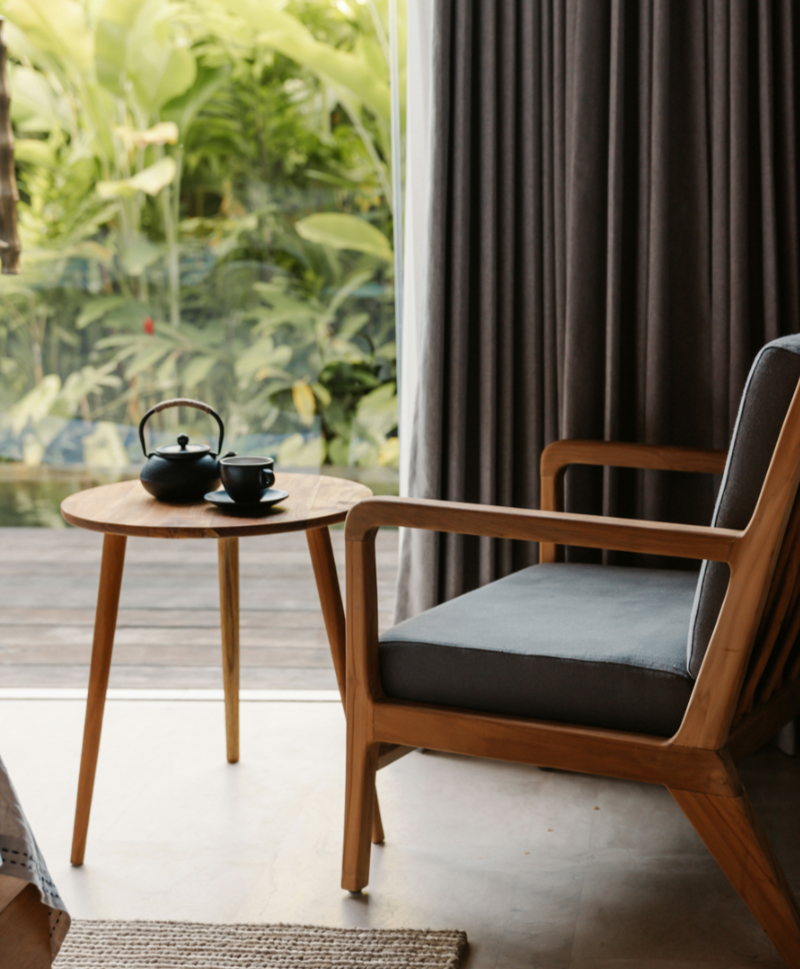
If you would like to explore the look more deeply, consider incorporating a few pieces of vintage-inspired furniture.
Mid-century Japanese interiors often featured:
- Wooden sideboards
- Vinyl armchairs
- Compact coffee tables
- Warm teak and walnut tones
- Glass-fronted cabinets
- Vintage radios and hi-fi equipment
- Record players and turntables
Many people enjoy mixing authentic vintage pieces with modern items for a more relaxed and natural feel.
Second-hand shops, flea markets and antique centres can all be excellent places to search for unique pieces with character.
Choosing a Showa Retro Colour Palette
One of the easiest ways to create a cohesive Showa-inspired space is by choosing a colour palette associated with a particular decade.
1960s inspired palette

The 1960s side of Showa Retro often feels optimistic and graphic.
Think:
- Mustard yellow
- Cream
- Olive green
- Bright red accents
- Warm wood tones
- Muted turquoise blue
This palette works beautifully with enamelware, geometric prints and café-inspired interiors.
1970s inspired palette

The 1970s aesthetic feels earthy, cosy and nostalgic.
Popular colours include:
- Burnt orange
- Avocado green
- Chocolate brown
- Amber
- Rust red
Pair these tones with floral patterns, textured fabrics and warm lighting.
1980s inspired palette

1980s-inspired Showa Retro often introduces softer pastel colours and playful kawaii influences.
Try combining:
- Soft pink
- Mint green
- Powder blue
- Cream
- Peach
This palette works especially well with cute stationery, floral prints and nostalgic character goods.
Creating a cosy Showa Retro atmosphere
Perhaps the most important part of Showa Retro style is not any individual object but the feeling the space creates.
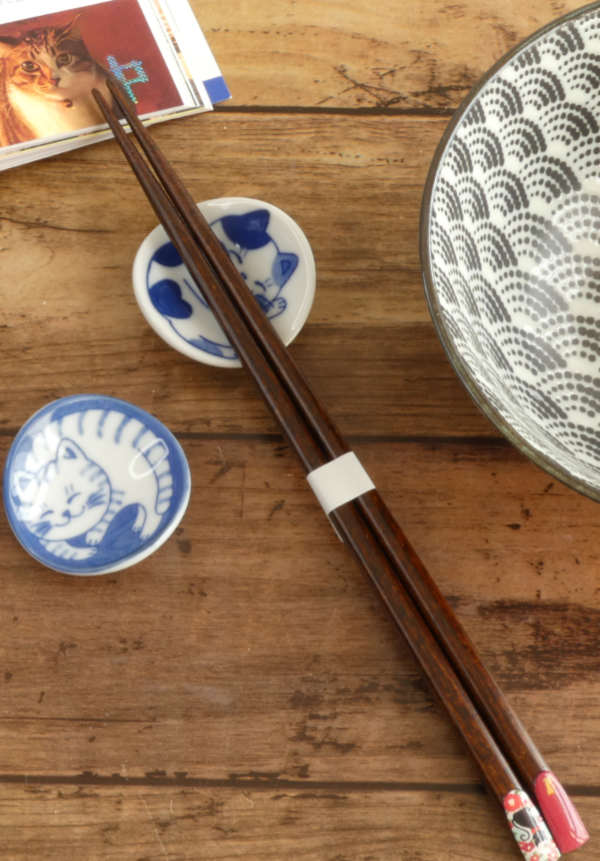
The best Showa-inspired interiors feel:
- Warm
- Relaxed
- Useful
- Cheerful
- Slightly nostalgic
- Full of personal touches
Rather than aiming for perfection, focus on creating a space that feels welcoming and lived in.
A patterned mug on a wooden tray, a floral cloth on a small table or a cheerful enamel jug in the kitchen can sometimes capture the spirit of Showa Retro more effectively than a complete room makeover.
It is a style built around everyday comfort and the quiet charm of ordinary objects.
And perhaps that is why it continues to feel so appealing today.
Showa retro at Hatsukoi



*
Photo credits:
Photo by Christina Spoerer on Unsplash