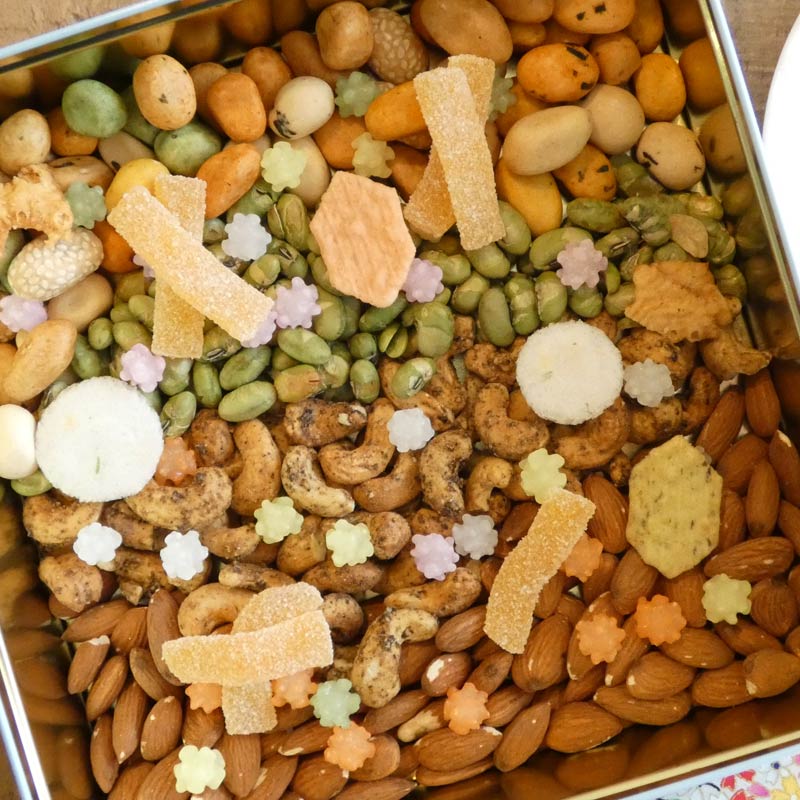
Fukiyose (ふきよせ / 吹き寄せ) is a lovely Japanese concept that applies to a collection of many small edible treats, displayed together in one decorative box or tin. Traditionally, it’s connected with wagashi, Japanese confectionery, and when I first came across the word the idea immediately caught my attention.
In Japan, the term is often used to describe a beautifully curated assortment of sweets or snacks, carefully chosen for their variety, colour and seasonality. Rather than focussing on one main speciality, it celebrates the pleasure of many small delights, to be appreciated visually and enjoyed over time.
What I loved most, though, was how accessible the idea felt. True Japanese cuisine, like the traditional multi-course kaiseki-ryōri, requires complex, meticulous preparation and specialist ingredients, making it difficult even for Japanese home cooks to achieve.
Fukiyose, however, is more about creativity than strict rules or difficult culinary skills and a pleasing result can be achieved with simpler, easier to find ingredients.
What does 'fukiyose' mean?
In Japanese language, the word fukiyose combines fuku, 'to blow', and yoseru, 'to gather'. Together, it paints a picture of small things, leaves, seeds etc, being brought together by the wind and settling into a loose, natural collection.
Broadly, it could be used to describe any collection of small things but in Japanese food culture, fukiyose is most often used to describe an assortment of small sweets and snacks gathered artistically into a single box or tin.
This assortment can include a mix of items such as rakugan (pressed dry sweets), konpeitō (hard sugar candies), rice crackers, mamegashi (flavour coated beans) and other small edible pieces.
*
Rather than everything matching or following a strict pattern, the pleasure comes from variety: different shapes, colours, textures and flavours, all sharing the same space and arranged into a delightful kaleidoscopic pattern.
Traditionally, these assortments are chosen with the seasons in mind - perhaps lighter colours and floral shapes in spring or warmer tones and nutty flavours as the weather cools. Each piece is small but together they create something that feels abundant and thoughtful - a celebration of snacks just ready for passing around and sharing!
Fukiyose in Japan: sweets, seasons and curation
When you first encounter fukiyose, you can understand how it fits in with more familiar Japanese food culture and with Japanese philosophy in general.
Japanese meals often consist of many beautifully prepared small dishes, brought together with a visual harmony and with presentation being as important as the flavours and seasonal ingredients being served.
The idea of appreciating small, humble pleasures is also very Japanese. Individually many of the sweets and crackers that make up a typical fukiyose are not too unusual or difficult to buy but the thoughtful presentation and blending of flavours, colours and shapes make the whole effect a delight.
A classic example: Ginza Kikunoya
One of the most famous places to find (and buy!) fukiyose is in the premium confectionery tins from Ginza’s Kikunoya shop. The tins are sometimes described as an 'edible jewelry box' because of how beautiful and varied the sweets inside are.
They are a popular souvenir for tourists and make a gorgeous gift because of their visual appeal and luxurious variety.
Fukiyose in Japan: meant for sharing
In Japan, fukiyose is most often associated with beautifully decorative boxes or tins filled with an assortment of small sweets or dry snacks. These are not designed to be eaten all at once of course but, because each piece is small and there are many of them, fukiyose lends itself naturally to sharing. It's what we might call a sharing tin or sharing platter - the nearest I could find in similarity was Marks & Spencer's Munch Tins.
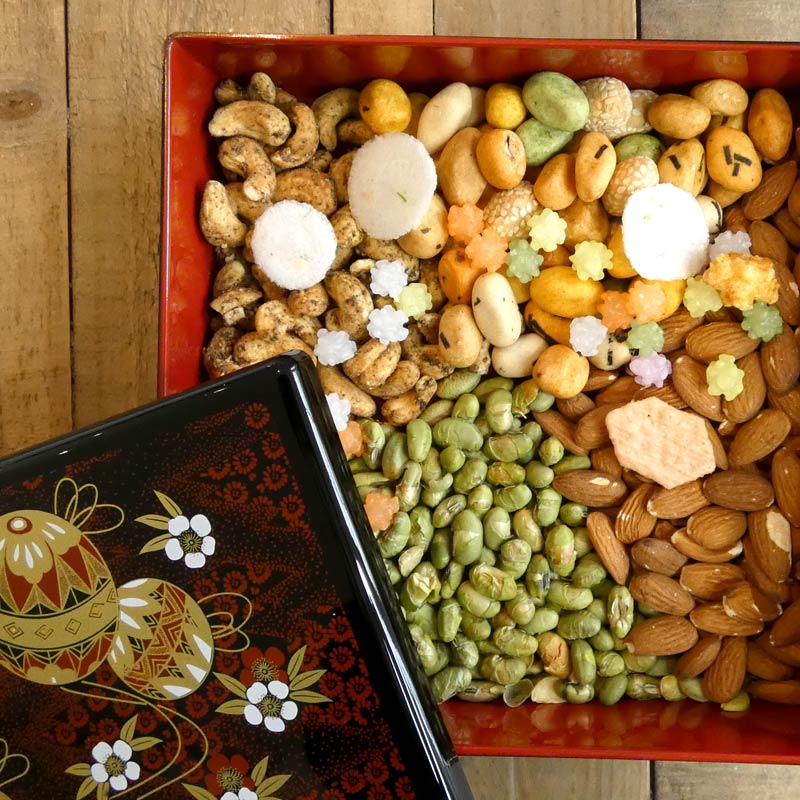
A box is ideal to be placed on the table when serving tea or to be brought out when visitors arrive. There’s no need for serving bowls or plates; people simply choose what catches their eye and dip in. The experience is relaxed and communal rather than formal.
As in other types of Japanese culture, presentation plays an important role in fukiyose. The edible contents are arranged so that colours, shapes and textures feel balanced, creating something that’s pleasing to look at before it’s even tasted.
*
Opening a fukiyose box becomes part of the pleasure - a moment of discovery as you take in the variety inside and select what to try.
This way of enjoying snacks reflects a broader Japanese appreciation for hospitality and care at the table, about making others feel welcome and demonstrating that you enjoy their company.
It's this idea of sharing small things at the table that made me think about another Japanese culinary tradition, osechi-ryōri, where small colourful dishes laden with symbolic meaning are shared as a means of celebrating a joyous event.
From formal osechi to everyday fukiyose
Osechi-ryōri or just ‘osechi’ is Japan's traditional New Year feast. It consists of many colourful, symbolic dishes packed into the layers of beautiful multi-tiered boxes called jūbako. The multitude of dishes is meant to last several days, giving the family a break from cooking over the New Year break. It’s a tradition rich in meaning but also one that takes time, skill and planning to prepare.
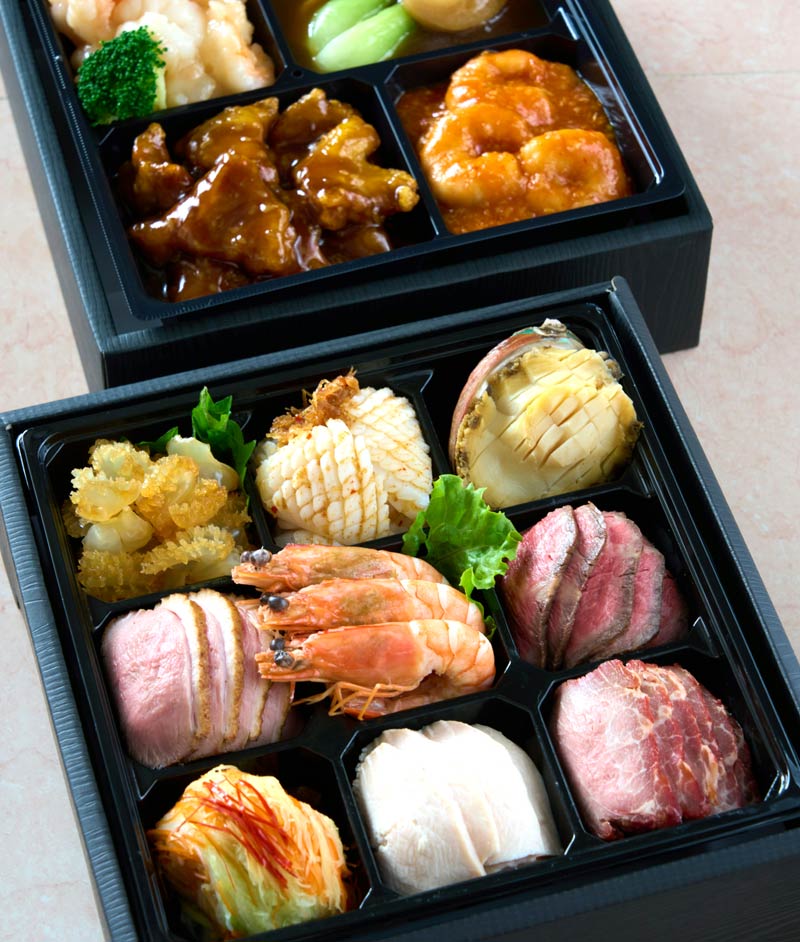
Even though the preparation of each of the different foods is done in advance, unless you’re a seasoned cook the number of dishes and importance of the presentation could be intimidating - it’s certainly not something I would attempt!
For many of us outside Japan, recreating osechi in its traditional form can feel daunting. The ingredients may be unfamiliar, the symbolism complex and the preparation time-consuming.
However, it struck me that using a jūbako box to create fukiyose style snacks for sharing would be a much more relaxed, everyday alternative that still carries meaning and a sense of occasion that needn’t be reserved for New Year.
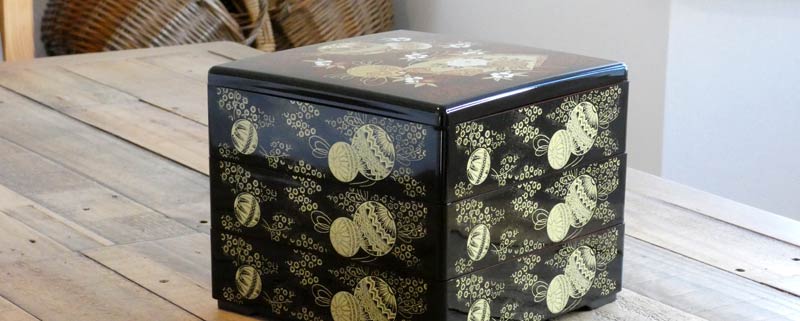
A tiered jūbako is perfect because it already suggests layers and discovery, it’s associated with special occasions and opening each tier mirrors that feeling of finding small treasures within. By filling a jūbako with a thoughtfully chosen selection of small sweet and savoury snacks, you can capture that same celebratory feeling, without the pressure of doing everything 'correctly'.
The beautifully decorative box immediately elevates even simple treats. And placed at the centre of the table, it signals that the moment is special, inviting people to slow down, share and enjoy what’s been gathered with care. It’s also convenient to pack away and bring out small treats whenever needed!
In this way, fukiyose becomes a gentler, everyday way of celebrating that honours the spirit of Japanese tradition while adapting to fit modern lives and local ingredients.
Creating your own fukiyose-style jūbako
Creating a fukiyose-style selection doesn’t require specialist ingredients or strict rules. In fact, its charm lies in how personal it can be. The starting point is simply to choose a variety of small things you enjoy and to think about how they sit together. I'm using a jūbako box as an example but you can use any pretty container such as a biscuit tin, shallow box or even a wooden bento box.
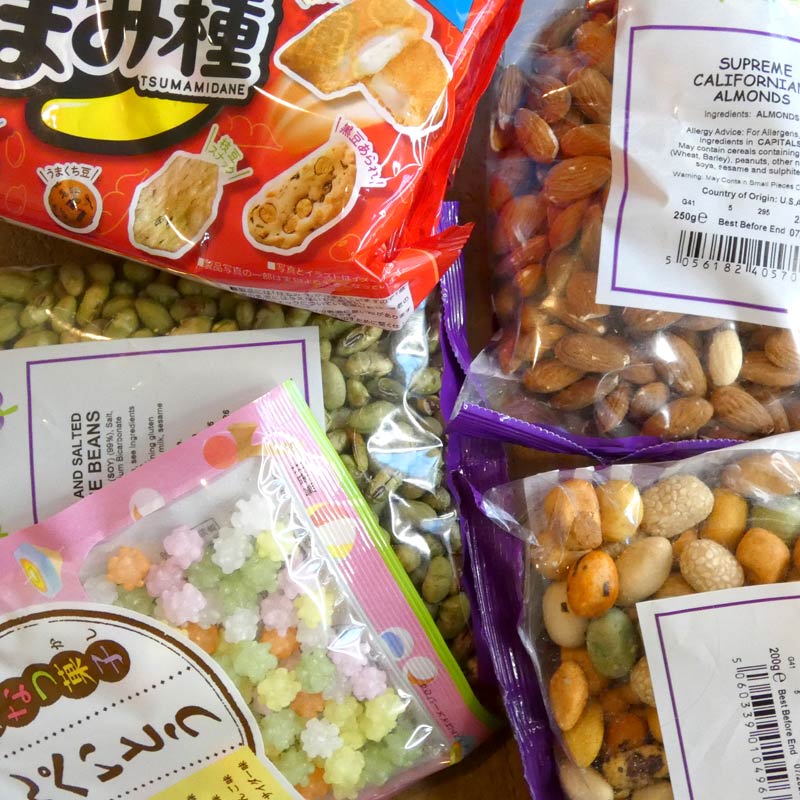
A mix of sweet and savoury works especially well - perhaps something crisp, something soft, something lightly salted alongside something sweet. Colour and contrast matter just as much as flavour, so it can be nice to think about how different tones and shapes will look when gathered together in the box.
Seasonality can offer gentle guidance. Lighter colours and fresher flavours in spring and summer, warmer hues and comforting snacks as the days grow cooler. But this is about intuition rather than rules, choosing what feels right in the moment.
Some easily available ingredients could be:
Dried fruit
Dried cranberries, blueberries and golden sultanas provide sweetness and a chewy texture. Crystalized pineapple and mango pieces have gorgeous jewel colours along with dried apricots for a larger ‘accent’.
Nuts
Cashews, almonds and peanuts are all delicious and come with flavoured coatings as well as plain varieties. Pistachios and macadamias add more unusual texture and colour.
Rice crackers
Japanese rice crackers are available at many supermarkets and health food shops such as The Grapetree and Holland and Barrett. They make an easy way to add a lot of variety and colours along with a touch of Japanese umami.
Seeds
Toasted sunflower seeds and pumpkin seeds are tasty and healthy too! Flavoured popcorn also adds interesting shapes and colours.
Vintage sweets
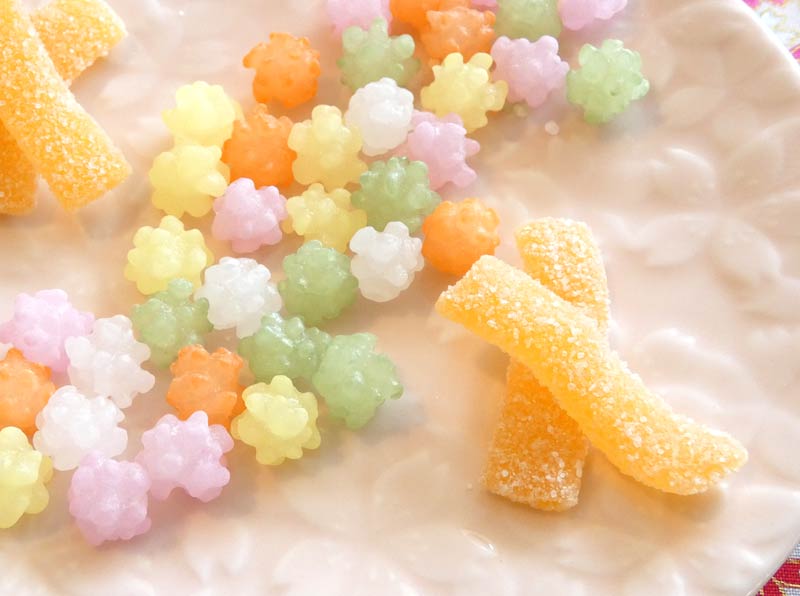
Take inspiration from the Japanese original fukiyose and include some old fashioned confectionery, like these colourful konpeito. Sweets like dolly mixtures and jelly beans are colourful and have a charming nostalgia to them. Both hard candies and fruit jellies give a nod to the kinds of sweets older Japanese people remember from their childhood.
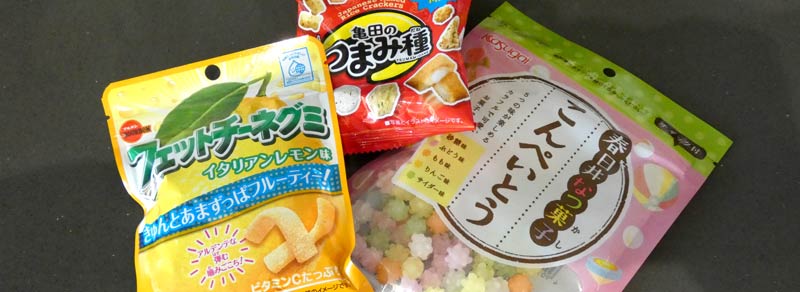
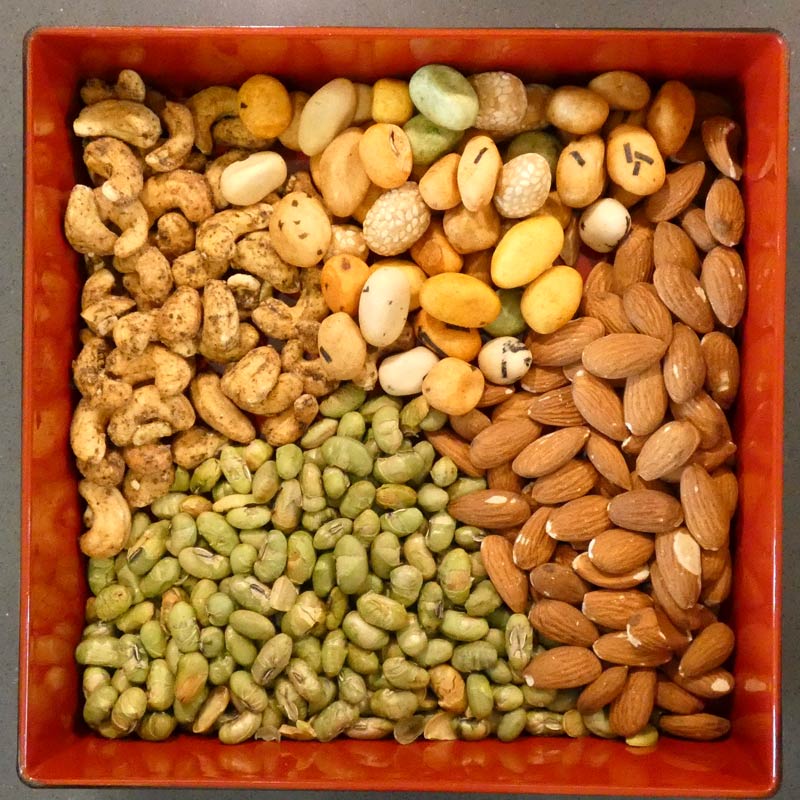
Once you’ve decided what to include, arranging the contents becomes part of the pleasure of creating fukiyose. Fill your container by grouping things together allowing the colours and shapes to create an attractive design. You might put similar things together or let contrasts sit side by side.
You might want to put smaller things at the bottom, saving a few larger items as decoration for the top. There’s no 'correct' way to do it - only what feels pleasing to you.
A small celebration, shared
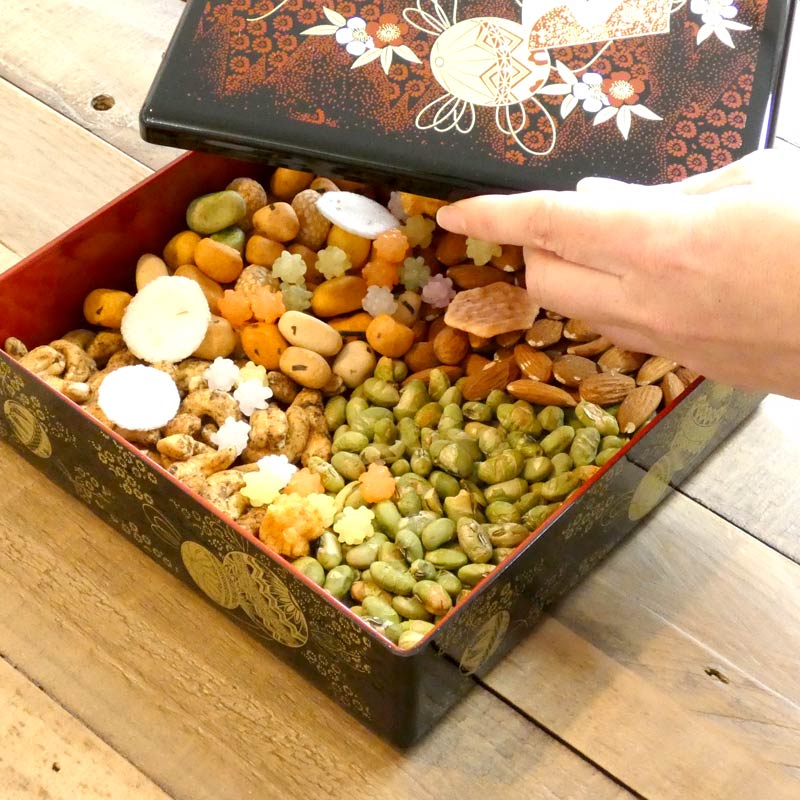
The New Year is often a time when we gather with family or friends we may not have seen for a while. There’s a natural pause in the pace of everyday life, a chance to sit together, talk and share food and drink.
A fukiyose-style box, placed on the table, gives a small sense of occasion as ordinary snacks are transformed, not by what they are, but by the thoughtful way they’ve been chosen and presented. Colours catch the eye and familiar flavours feel a little more special.
*
There’s something enjoyable about sharing food in this way. No pressure, no formality - just a gathering of small things, offered with care and attention to detail. Whether enjoyed at New Year or at any other time, fukiyose reminds us that celebration doesn’t have to be elaborate to be meaningful.
Sometimes, all it takes is a beautiful box, a few well-chosen treats and the pleasure of sharing them together.
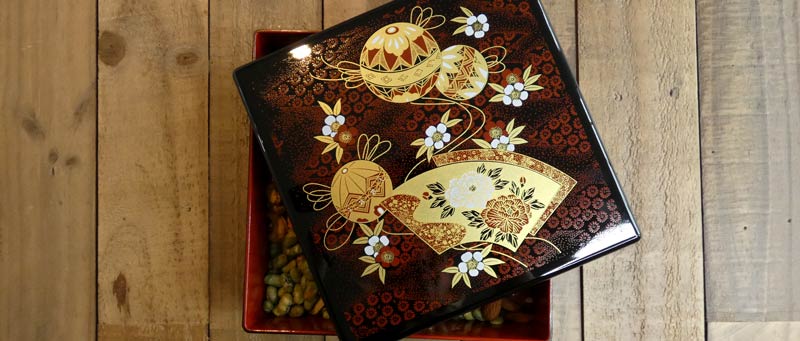
Jūbako and bento boxes at Hatsukoi.co.uk:


*